City's Green Infrastructure Projects Improve Stormwater Management
Published on June 17, 2026
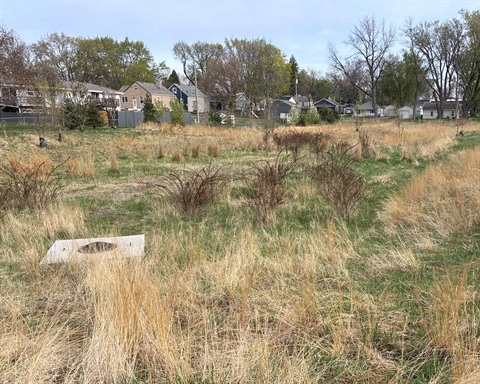
Two new green infrastructure projects in Sioux Falls are helping reduce localized flooding and improve water quality by capturing and filtering stormwater before it enters the city’s drainage system. The projects serve as models for future stormwater management efforts and are located at West 28th Street and South Covell Avenue and West 35th Street and Duluth Avenue.
Since 2021, the city's Green Infrastructure Improvement Project has installed rain gardens and bioretention cells designed to capture and infiltrate stormwater near where it falls. The project requires three growing seasons to become fully effective. By slowing runoff during storms, these systems reduce pressure on the storm sewer system and help prevent pollutants from entering local waterways.
"Green infrastructure is an important part of a balanced approach to stormwater management," said Josh Peterson, environmental services manager for the City of Sioux Falls. "These projects help reduce localized flooding, improve water quality, and provide long-term benefits for residents and neighborhoods."
The city selected the sites based on existing green space and drainage conditions in areas prone to localized flooding during heavy rain.
During heavy rain, these systems filter common pollutants such as sediment, oil and excess nutrients through bioretention cells. The cells allow water to soak into the ground while naturally filtering pollutants.
Unlike traditional stormwater systems that move water through pipes and drainage channels, green infrastructure uses specially designed soil, native plants and shallow collection areas to manage rainfall naturally.
The project sites include educational signage and accessible pathways that explain green infrastructure and stormwater management.
"These projects give residents an opportunity to see how stormwater management works," said Troy Lambert, environmental analyst for the city. "By combining functional infrastructure with educational features, we're helping people better understand how everyday actions can affect water quality in Sioux Falls."
The projects incorporate native South Dakota plant species well-suited to local growing conditions. Native plants generally require less water and maintenance than traditional grass and provide habitat for pollinators and other wildlife, creating environmental benefits beyond stormwater management.
For more information on the Green Infrastructure Improvement Project, visit siouxfalls.gov/greeninfrastructure.